Conditions & Treatments
Services & Treatments
We diagnose, treat and manage the following conditions:
- Allergic rhinitis
- Allergic asthma
- Medication allergies
- Food allergies
- Aspirin-exacerbated respiratory disease (Sampter’s triad)
- Chronic spontaneous urticaria
- Preservative allergies
- FPIES and Eosinophilic esophagitis (EoE)
- Eczema
- Salicylate allergies
- Observed Introduction
- Cupcake Introduction
Allergic Rhinitis
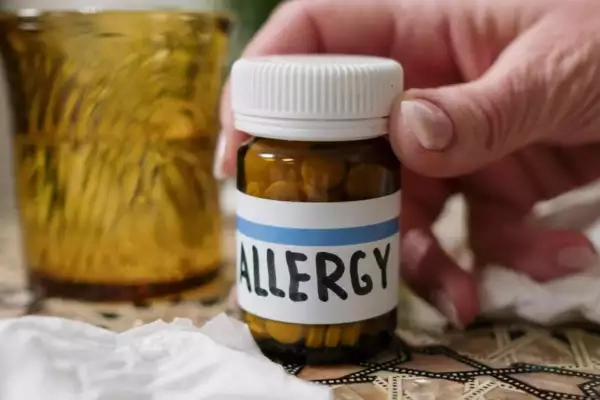
What is Allergic Rhinitis?
- Allergic rhinitis is often referred to as sinusitis.
- Allergic rhinitis can be caused by different environmental triggers like pets, pollen and dust mite.
- Pollution like second hand smoke can aggravate allergic rhinitis
How is Allergic Rhinitis Diagnosed?
- Allergy skin prick test or blood test called and Immunocap.
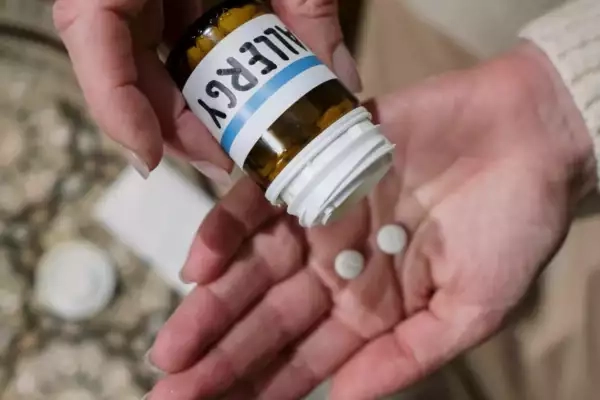
How is Allergic Rhinitis Treated?
- AVOIDANCE of allergens like dust mite, second hand smoke
- MEDICAL Management: consistent use of intranasal cortisone nose spray and saline nose spray
- IMMUNOTHERAPY or the older term desensitisation to environmental allergies
Bee Venom Allergies

- Bee/wasp venom allergy is when you are stung by a vespid your body recognises it as foreign reacts in a pathway that is inappropriate resulting in:
- Hive, swelling, shortness of breath, vomiting, diarrhoea, drop in blood pressure.
- Bee/wasp allergy is diagnosed with a combination of clear clinical history, confirmed with a blood test.
- Blood test will test your Ig E antibodies tobee venom, wasp venom as well as two component proteins rApi m 1, rApi m 10.
- Components can assist in precision decision making with allergen immunotherapy.


- Bee/Wasp allergen immunotherapy is 80-90% successful.
- Immunotherapy is weekly injections for 12 weeks then once a month for 3-5 years.
Medication Allergy

- Medication allergies can present as an immediate severe allergic reaction, or a delayed reaction that takes days or weeks to present.
- Medication allergies diagnosis is made by taking a thorough history, this includes every single medication taken and the timing of medication and allergic reaction.
- Skin prick test, intra dermal test, open oral challenge test as well as patch tests are used to diagnose medication adverse reactions.


- Most important part of the treatment of medication allergy is an accurate diagnosis to establish which medication is problematic and to find suitable safe alternatives.
- Medication allergy can be desensitised in the case of a Penicillin allergy a temporary state of tolerating the medication if a severe infection is present.
- Aspirin desensitisation can be done if it is necessary for AERD or if indicated for cardiac patients.
Food Allergies

- Food allergies can cause immediate and severe allergic reactions or delayed reactions.
- Early introduction of allergenic solids (peanut, egg) between 4-11 months can reduce peanut allergy by 80%.
- Diet diversity can reduce food allergy.
- Diagnosis of food allergy is made with a history, allergy skin prick test, blood test Immunocap as well as oral food challenges.
- Accurate interpretation of these tests is essential as unnecessary food avoidance can lead to allergies as well as nutritional deficiencies.
- Regular testing and interpretation of your tests can help improve your quality of life as well as give you a balanced approach to avoiding your allergen.


- Avoiding the allergenic food is currently the standard of care, however if you are allergic to one food does not mean you will be allergic to the entire group.
- Understanding when and how to use your emergency treatment
- Oral immunotherapy is an option for the treatment of food allergy and currently Palforzia is the only FDA registered treatment for peanut allergy. We can assist in decision making, if this is appropriate therapy for you.
Aspirin-Exacerbated Respiratory Disease (Samter’s triad, N-ERD)


-
-
Aspirin exacerbated respiratory disease is a disease complex of:
- Aspirin, NSAID allergy
- Hyperplastic pan sinusitis
- Asthma
Diagnosis is made with:
Eosinophilic polyps,
Chronic rhinosinusitis with polyps
Aspirin/NSAID allergy
Spirometry(Asthma)
-
-
Treatment consists of medical treatment:
Intranasal cortisone, Saline rinses with Budesonide
Inhaler corticosteroids for asthma
Leukotrine receptor antagonist (Montelukast)
Biologic medication: Dupilimab
Aspirin desensitisation
Eczema


-
Eczema/Atopic dermatitis is and inflammatory condition of the skin that is a result of the interplay between genetics and environmental factors.
Contact dermatitis
- Diagnosis is a clinical diagnosis
-
Avoiding skin aggravators : SLS and surfactant
Managing the skin microbiome with emollients, bleach baths
Moisturising with emollients that contain occlusives(Petrolatum, ceramides, liquid paraffin), ceramides and moisturisers(Glycerin, urea)
Wet wraps
Topical cortisones and calcineurin antagonist
Biological medication: Dupilimab, Rinviq
Chronic Spontaneous Urticaria

What is Chronic Spontaneous Urticaria?
-
Daily occurrence of wheals, swelling(angioedema) or both for more than 6 weeks due to known or unknown causes.

How is the diagnosis made of CSU?
-
Clinical history as well as testing for additional possible auto-immune triggers.

How is CSU treated?
-
CSU is treated with high dose antihistamine
-
Biologic medication
-
Immune supressing agents: Cyclosporin, Methotrexate
Other Conditions Treated

Chronic Spontaneous Urticaria

Preservative allergies, Salicylate allergies

FPIES and Eosinophilic esophagitis (EoE)

Salicylate Allergies
The Allergy Clinic
-
65 Conrad Drive, Blairgowrie, Randburg, 2194 -
+27 (0) 11 726 4214/5 (Office Line 1)
+27 (0) 10 822 8630 (Office Line 2) -
enquiries@allergydoc.co.za -
reception@allergydoc.co.za
Send Us a Message